EN
EN 
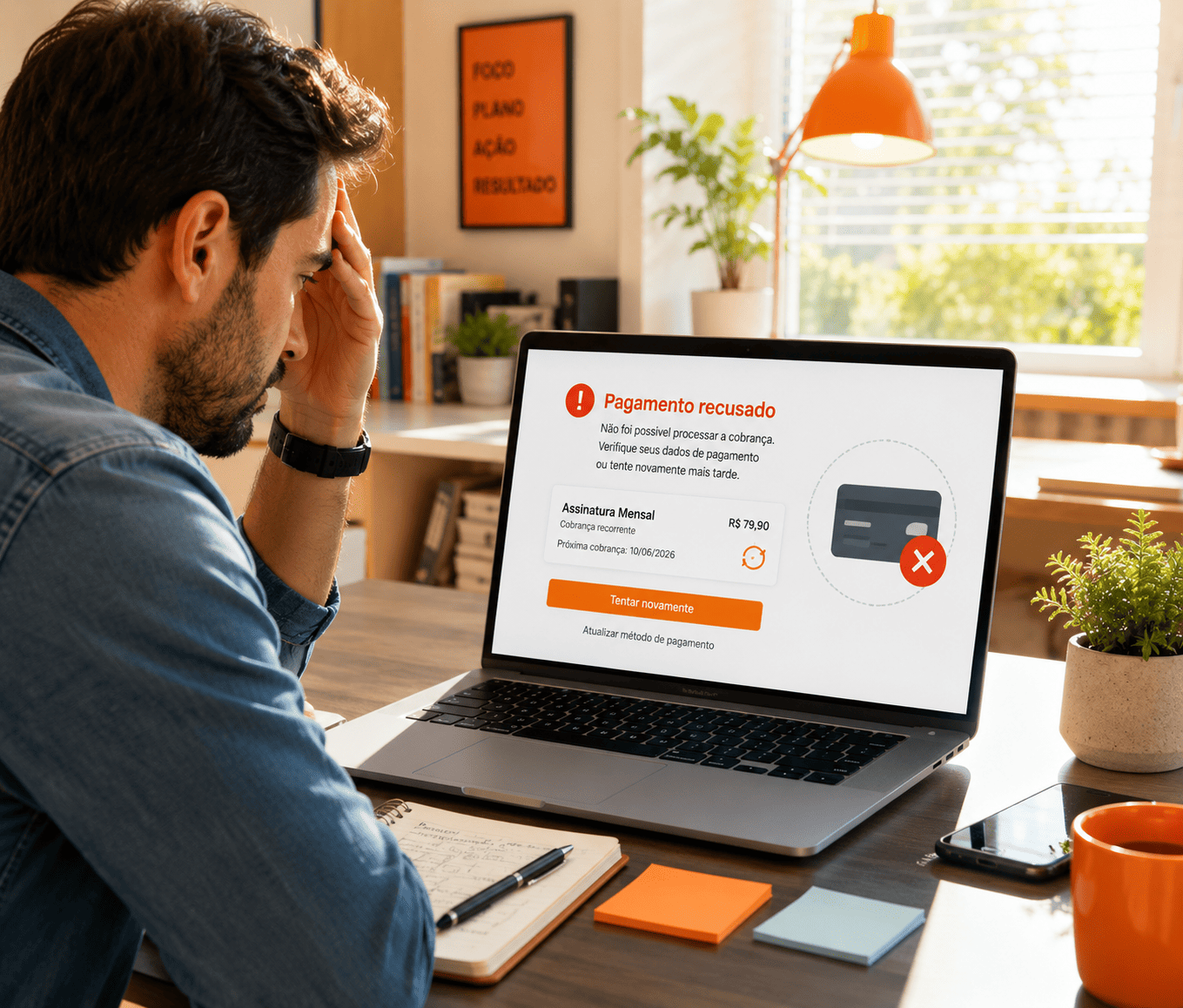


Charging a customer every month may seem simple. The real challenge is ensuring that the payment continues to work time after time, even when the customer is no longer present to authorize each transaction.
This is the critical point of recurring and automatic payments in card-not-present environments: when everything works properly, the customer experience continues without interruption. When something goes wrong, however, the merchant may lose revenue and, in many cases, a customer who never intended to cancel.
In automatic payment models, a declined transaction does not necessarily indicate a lack of interest, fraud, or a deliberate decision by the customer. The problem may be an expired card, a change made by the issuing bank, an incorrectly identified authorization, or an ineffective retry strategy.
Recurring payments are not simply about automating charges. They require a process designed to adapt when payment conditions change. Organizations that manage this cycle effectively not only recover revenue but also strengthen customer experience and turn recurring payments into a competitive advantage.
The first payment and subsequent payments are fundamentally different
The first payment takes place while the customer is present. This is when they enter their payment details, accept the terms of the service, and authorize the merchant to process future charges.
Once that consent has been provided, subsequent payments are processed automatically. However, each new transaction must be recognized by the issuer as part of an existing, previously authorized relationship, rather than as an isolated or potentially suspicious payment.
For this reason, the way each recurring transaction is identified and submitted directly affects approval rates and service continuity.
A card has a life of its own
One of the main risks associated with recurring payments involves something merchants often cannot control: the card registered by the customer.
A card may expire, be replaced, be blocked due to suspected fraud or be changed by the issuing bank without the merchant receiving clear notice. When the next billing cycle arrives, the transaction may be declined because the stored information is no longer valid. This can interrupt the service and, in some cases, result in the loss of a customer who never intended to cancel.
In recurring payment models, situations like these affects not only revenue but also the customer experience and the continuity of the commercial relationship.
Tokenization as a safeguard for recurring payments
One way to reduce this risk is to store a token instead of the actual card number.
A token acts as a substitute payment credential issued by the payment networks. It represents the card without exposing its sensitive information. In recurring payment models, tokenization helps strengthen security, increase issuer confidence during authorization, and maintain payment continuity even when the physical card expires or is replaced.
To participate in these programs, merchants need Token Requestor capabilities. In other words, they must be authorized to request and manage tokens with the payment networks. These capabilities can either be developed internally or enabled through a payment provider that already has the required infrastructure in place.
The latter is generally a faster and simpler option, particularly for businesses looking to implement recurring payments with less technical complexity and a lower certification burden.
When a payment fails, not all declines are the same
Some declines are caused by temporary conditions, such as insufficient funds, a temporary credit limit issue or a momentary issuer failure. In these cases, retrying the payment at the right time may successfully recover the transaction.
Other declines are permanent, such as those involving a cancelled, blocked or reported card. In these situations, continuing to retry the payment will not improve its chances of approval and may send negative signals to the issuer.
An effective recurring payment strategy interprets the reason behind each decline and responds accordingly. It recovers payments when recovery is still possible and stops retrying when there is no realistic chance of approval.
This process is known as dunning. When managed effectively, it helps businesses recover revenue that would otherwise be lost without damaging their relationship with either the customer or the issuer.
Fewer disputes, greater trust
Even when a payment is approved, other factors can still affect customer retention. One of them is disputes arising from charges that customers do not recognize, do not remember authorizing, or find to be different from the amount they expected.
Several practices can help reduce this risk:
- Obtain clear authorization from the outset and retain evidence of the customer’s consent;
- Use a recognizable billing descriptor so customers can easily identify the merchant on their account statement;
- Notify customers in advance when the amount changes or when a subscription is approaching its renewal date;
- Provide a simple and transparent cancellation process.
Rather than encouraging customers to cancel, transparency builds trust, reduces unnecessary disputes, and helps strengthen long-term relationships.
How to determine whether recurring payments are performing effectively
A few simple questions can help organizations assess the performance of their recurring payment operation and identify the main opportunities for improvement:
- Out of every 100 payment attempts, how many are approved on the first try?
- Of the payments that are declined, how many are recovered through a retry strategy?
- How many customers are lost because of payment failures rather than because they chose to cancel?
The last question is often the most important. It helps identify silent losses: customers who wanted to continue using the service but stopped paying because of an expired card, a poorly managed decline, or an ineffective recovery strategy.
Tracking these indicators enables organizations to make better decisions about tokenization, retries and payment lifecycle management.
Protecting revenue that has already been earned
Managing recurring payments effectively requires organizations to identify each type of transaction correctly, keep payment credentials up to date, interpret decline reasons, and define appropriate retry strategies.
The true strength of a recurring payment model does not lie in automating a monthly charge. It lies in ensuring that the relationship continues to work even when payment conditions change. In a market where acquiring each customer represents a significant investment, preventing involuntary churn can be just as valuable as generating new sales.
At Evertec, we help organizations turn recurring payment management into a competitive advantage. Our recurring and automated payments solution supports the entire transaction lifecycle, from secure payment automation to intelligent retry management, tokenization, monitoring and compliance with international industry standards.
With these capabilities, businesses can improve approval rates, reduce involuntary customer churn, and provide a seamless, reliable payment experience. This allows them to scale subscription, financing, membership, and other recurring payment models with Evertec’s technology and regional expertise. Talk to one of our specialists and discover our solutions!