EN
EN 
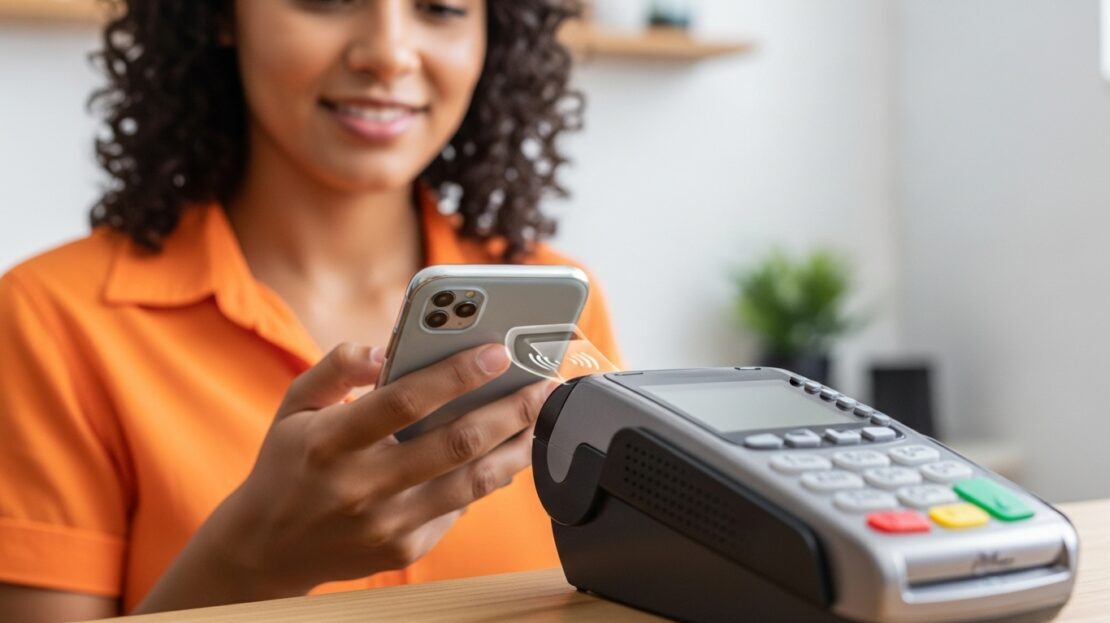


Since the Central Bank launched Pix in 2020 (the Brazilian instant payment system developed by the Central Bank itself), there were already high expectations regarding the impact this innovation would have on the lives of Brazilians. In just five years, Pix went from a technological novelty to becoming an essential part of daily life, transforming not only the financial system but also the way people interact with companies and brands.
Pix achieved remarkable adoption. According to an Ipsos survey, 97% of Brazilians already use the system and 87% make online purchases with it. Convenience and speed have become synonymous with this payment method, which replaced traditional transfers and drastically reduced the use of cash. Customers began relying on an immediate, secure and accessible solution, while the country gained one of the most modern payment infrastructures in the world.
More than just a new payment method, Pix has become a symbol of financial empowerment. By enabling anyone to make transactions for free and instantly, it became a major catalyst for inclusion. Millions of Brazilians who were previously excluded from the banking system now actively participate in the digital economy. Small merchants, freelancers and informal entrepreneurs started accepting digital payments without the need for card machines or banking fees, which stimulated formalization and income generation in peripheral communities. According to IBGE data, the number of banked Brazilians increased from 179 million in 2020 to 200 million in 2025. Much of this growth was driven by Pix.
The new standard for consumer experience
The seamless experience provided by Pix also raised the bar for consumer expectations. A Nuvei survey shows that 65% of Brazilians abandon a purchase if their preferred payment method is not available. This reveals a more impatient and immediate behavior, typical of those who have experienced the power of instant payments. Today, a slow or bureaucratic checkout is enough to frustrate customers and push them away from a brand. Pix has therefore not only simplified payments but also redefined the standard of experience consumers expect in any digital interaction.
The impact extends beyond the transaction. Instant payments have allowed companies to improve post-sales operations and strengthen customer trust and service perception. Additionally, new features such as Pix Automatic (Pix Automático) promise to revolutionize the payment of recurring services by offering even more convenience and predictability throughout the customer journey. According to CNN Brasil, 90% of users are interested in this modality, which is expected to be the next major milestone in the evolution of payments in the country. This is in addition to Pix Installments, Pix Copy and Paste, Pix Guaranteed, and MED 2.0 (Special Refund Mechanism), all of which have significant impact on the financial market.
With virtually universal acceptance—both in physical stores and in e-commerce—Pix has eliminated one of the biggest sources of friction in customer relationships: the lack of simple and universal payment options. Its presence is everywhere, from large retail chains to delivery apps, from street terminals to transfers between friends. This ubiquity has created an expectation of fluidity that now extends to other stages of the consumer journey.
The next leap for Pix
Despite its success, Pix’s rapid expansion also brings challenges. Transaction security must keep pace with innovation, requiring constant vigilance against fraud and scams. According to the PIX 2025 Data Report, one in every five Pix users reports having suffered some type of scam, and 18% say they avoid using the system out of fear of fraud.
Full integration of the payment journey—from the moment of purchase to post-sale support—remains a goal yet to be reached. Digital education is also essential to ensure that all users understand and safely adopt new features such as tap-to-pay Pix. However, 70% of users believe that preventing and combating fraud is the responsibility of financial institutions.
These factors show that the future of Pix depends not only on technology but on companies’ ability to deliver real value throughout the customer journey. Brazil’s payment system has reached a new level: fast, accessible and inclusive. Now, the challenge is to transform this infrastructure into simpler, more human and longer-lasting relationships.
Pix has changed the way people pay—and what customers expect when paying. It has turned time into a competitive advantage and positioned Brazil as one of the most advanced countries in the world in digital payments. More than technology, Pix is a symbol of convenience and trust, capable of delivering in seconds what every great customer experience should provide: simplicity, autonomy, satisfaction and security.
This article was originally published on the ClienteSA portal, by Carlos Sangiorgio.